





Edging, Explained: A Step-by-Step Guide to Practicing Controlled Orgasm
Edging is often described as a pleasure technique, but in practice it’s closer to a skill—one that combines attention, pacing, and communication with your own body. While the concept is simple (approaching climax, then easing back), learning how to edge well is about understanding timing, sensation, and regulation.
This guide breaks edging down into clear, intentional steps, without turning it into a rigid formula.
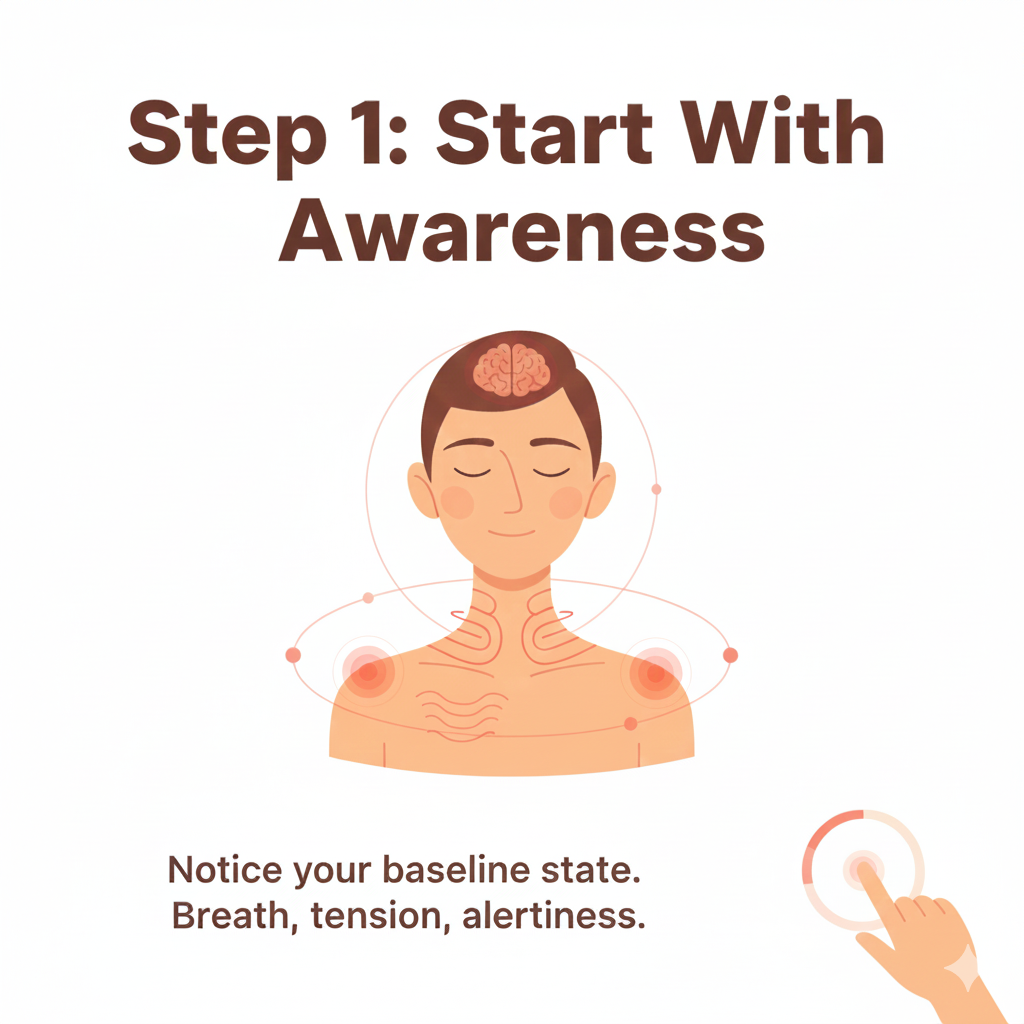
Step 1: Start With Awareness, Not Intensity
Edging works best when you begin from a place of curiosity rather than urgency. Before increasing stimulation, take a moment to notice your baseline state. How does your breath feel? Where is tension held in the body? How alert or relaxed do you feel?
This initial check-in matters because edging relies on recognizing early signs of rising arousal—not waiting until you’re already overwhelmed. Think of it as learning the body’s “dial,” not flipping a switch.
Step 2: Gradually Build Sensation
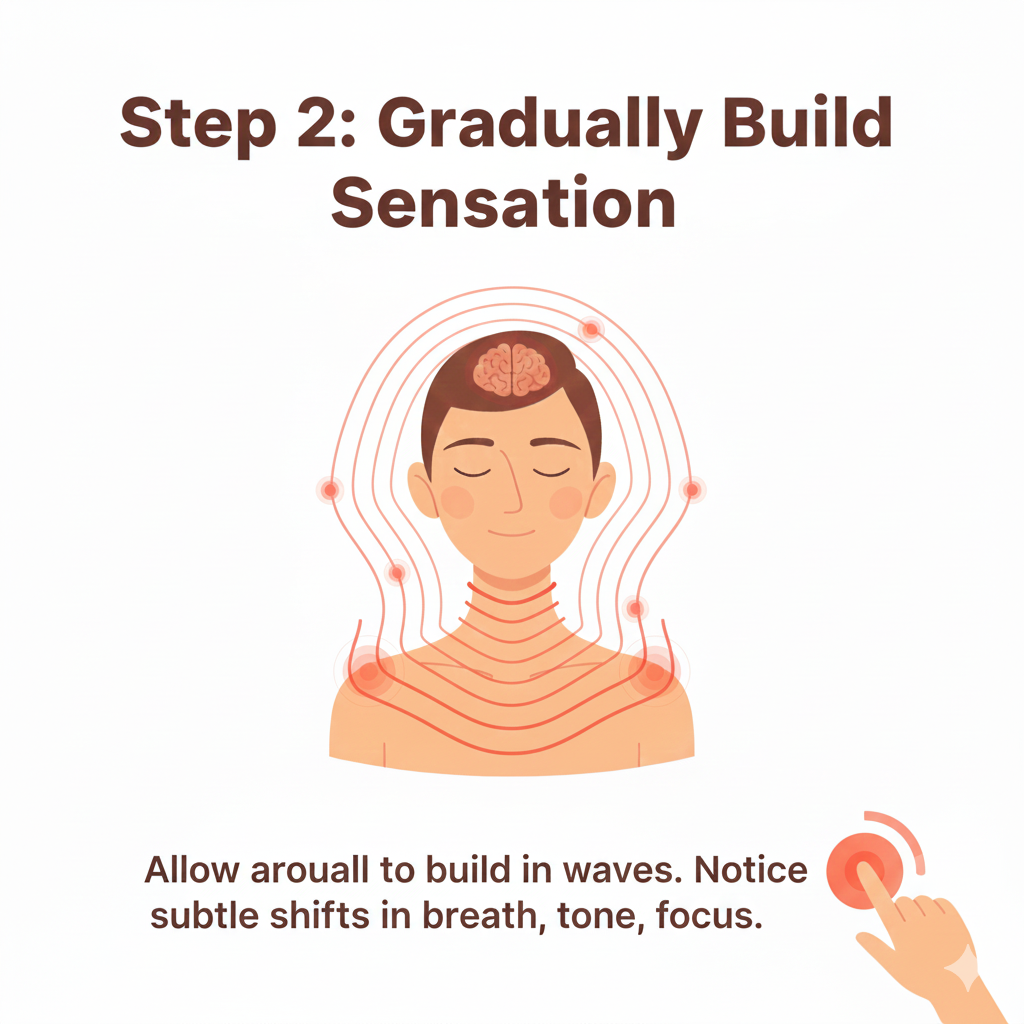
As stimulation increases, keep your attention on how sensation is changing, not just whether it feels good. Edging depends on detecting the moments when pleasure begins to sharpen or accelerate.
Rather than moving straight toward peak intensity, allow arousal to build in waves. This slower rise gives you more room to notice subtle shifts—changes in breath, muscle tone, or mental focus—that signal you’re approaching your edge.
Step 3: Identify Your Edge
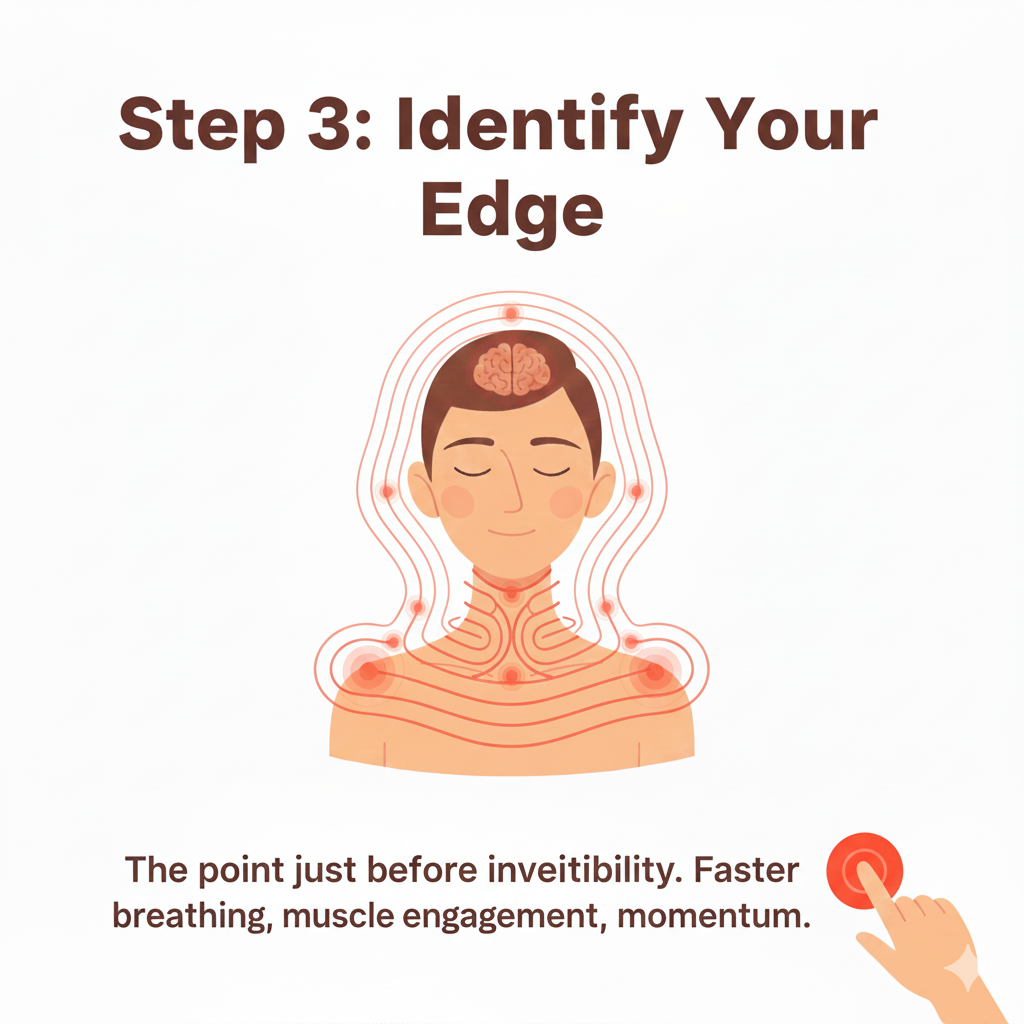
Your “edge” is the point just before arousal tips into inevitability. It’s different for everyone and can change day to day. Learning to identify it is one of the core benefits of edging.
Common signs might include faster breathing, increased muscle engagement, or a sense of momentum building. The goal isn’t to stop pleasure—it’s to recognize when to adjust.
Step 4: Ease Back, Don’t Shut Down
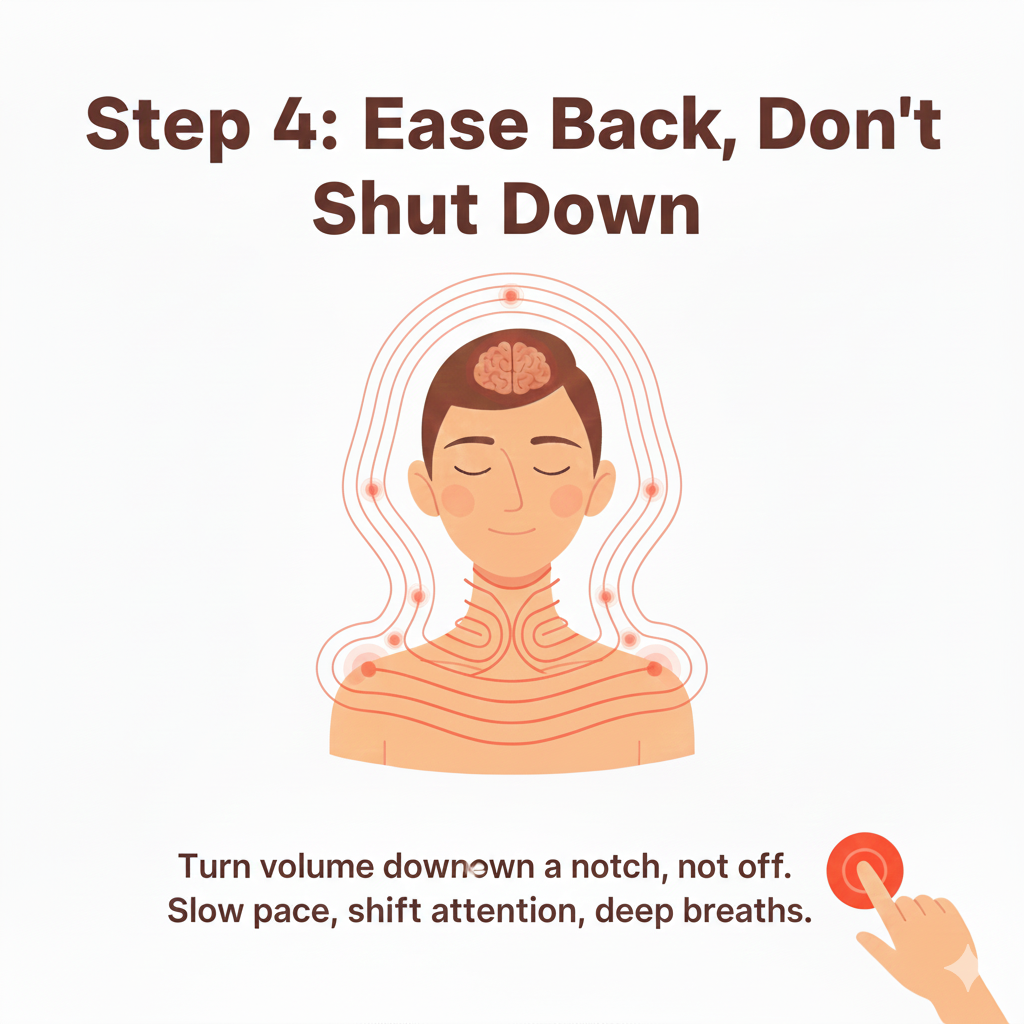
When you sense you’re close to your edge, reduce stimulation rather than stopping abruptly. Slowing pace, shifting attention, or taking deeper breaths can help bring arousal down slightly without breaking the experience.
This is where edging differs from simple delay. You’re not denying pleasure; you’re modulating it. Think of it as turning the volume down a notch, not switching the sound off.
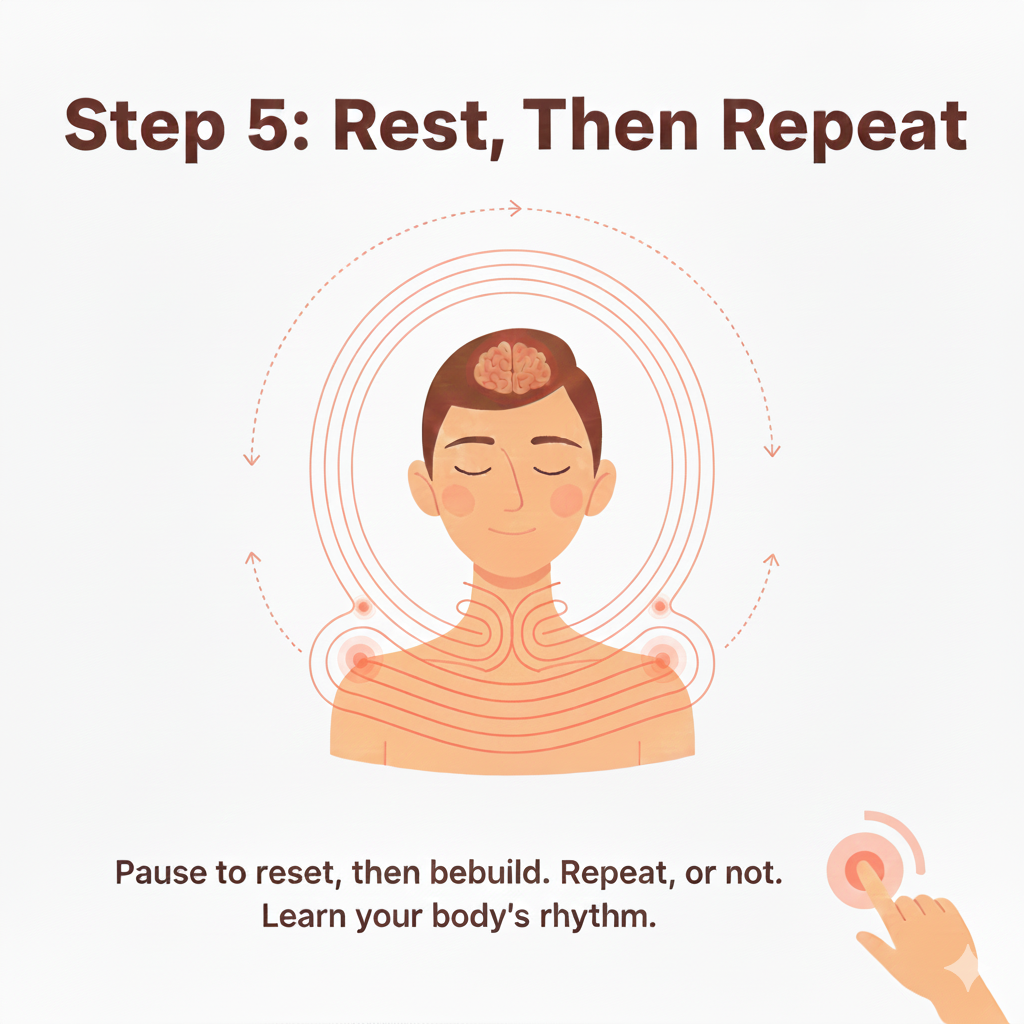
Step 5: Rest, Then Repeat
After easing back, allow your body to settle before building again. This pause is essential—it lets the nervous system reset while keeping sensation accessible.
You can repeat this cycle several times, or just once. Edging isn’t about endurance or rules. It’s about learning how your body responds to pacing.
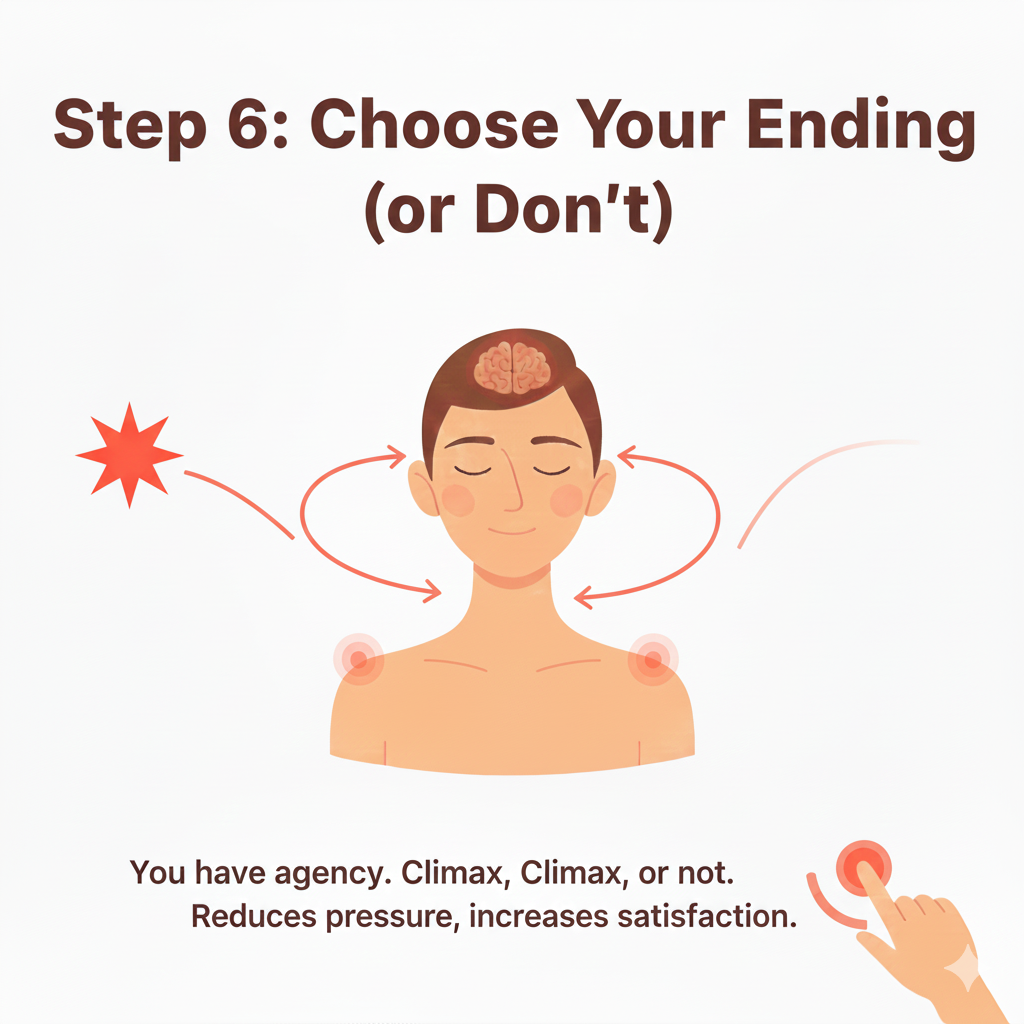
Step 6: Choose Your Ending (or Don’t)
One of the most empowering aspects of edging is choice. You can allow climax when it feels aligned, or you can end the session without one. Both are valid outcomes.
Over time, many people find that this sense of agency reduces pressure and increases satisfaction—regardless of how the experience concludes.
A Final Note on Safety and Mindset...
Edging should feel supportive, not stressful. If you notice frustration, numbness, or tension building, it’s a sign to slow down or stop. Like any wellness practice, edging works best when approached with flexibility and self-respect.
At its best, edging teaches a simple but powerful lesson: pleasure doesn’t need to be rushed to be meaningful. Sometimes, staying with the moment is the practice.